The SelfMinds Blog

Practical AI insights from the team building self-learning systems, agentic automation, and enterprise AI — grounded in production experience and peer-reviewed research.

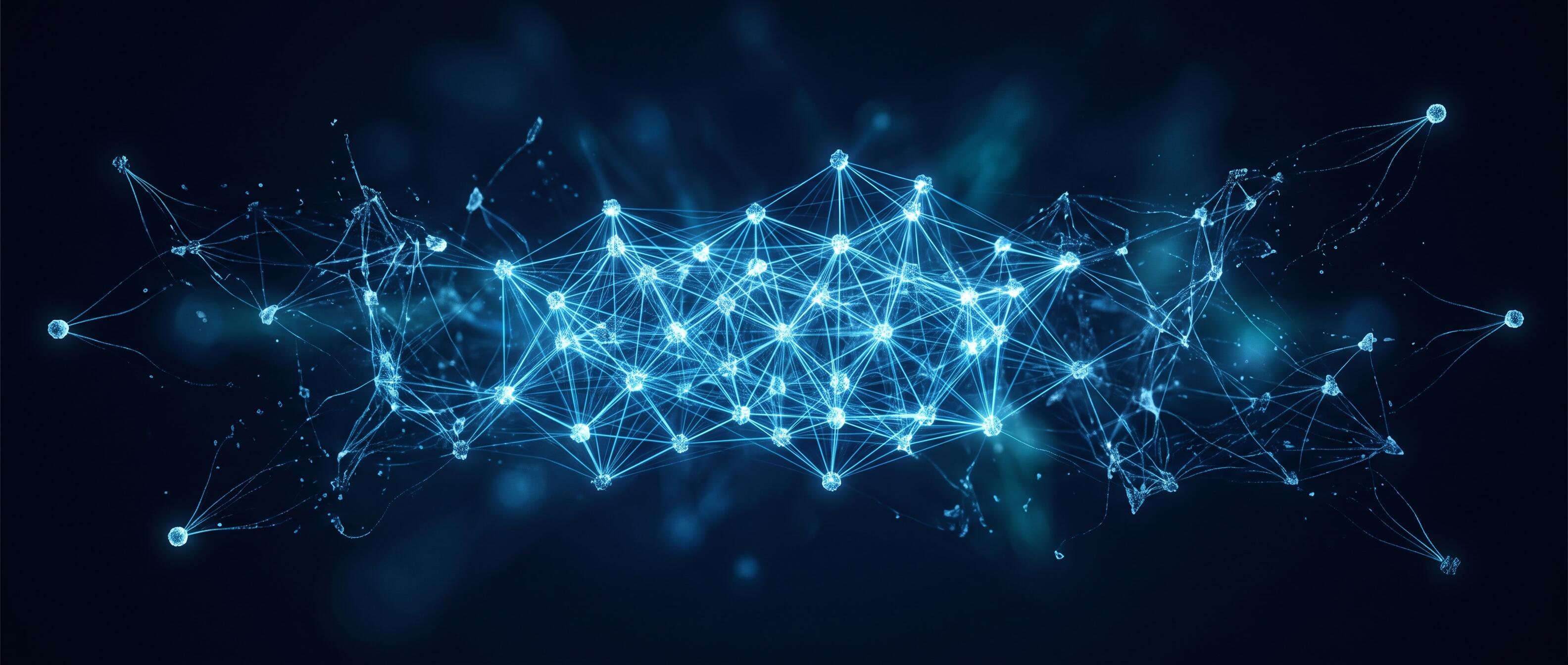
Self-learning knowledge graph — dense connected network at center dissolving into emerging nodes at edges

Beyond the Vector Database: Why SelfMinds AI Treats Knowledge Graphs as a Learning System

Most AI platforms store knowledge. SelfMinds AI is built to learn from it. Enterprise graph retrieval cuts hallucination rates by 62% compared to naive chunk-and-retrieve RAG setups — and SelfMinds AI goes further. This post explains how a self-learning knowledge graph architecture works: tiered extraction that matches processing cost to semantic risk, graph-guided reasoning with explicit hop limits and hypothesis scoring, retrieval memory that routes each query to the right layer automatically, and a structural learning loop that compiles successful reasoning chains into reusable graph skills. The result is a system that does not just answer questions — it gets measurably better at answering them.

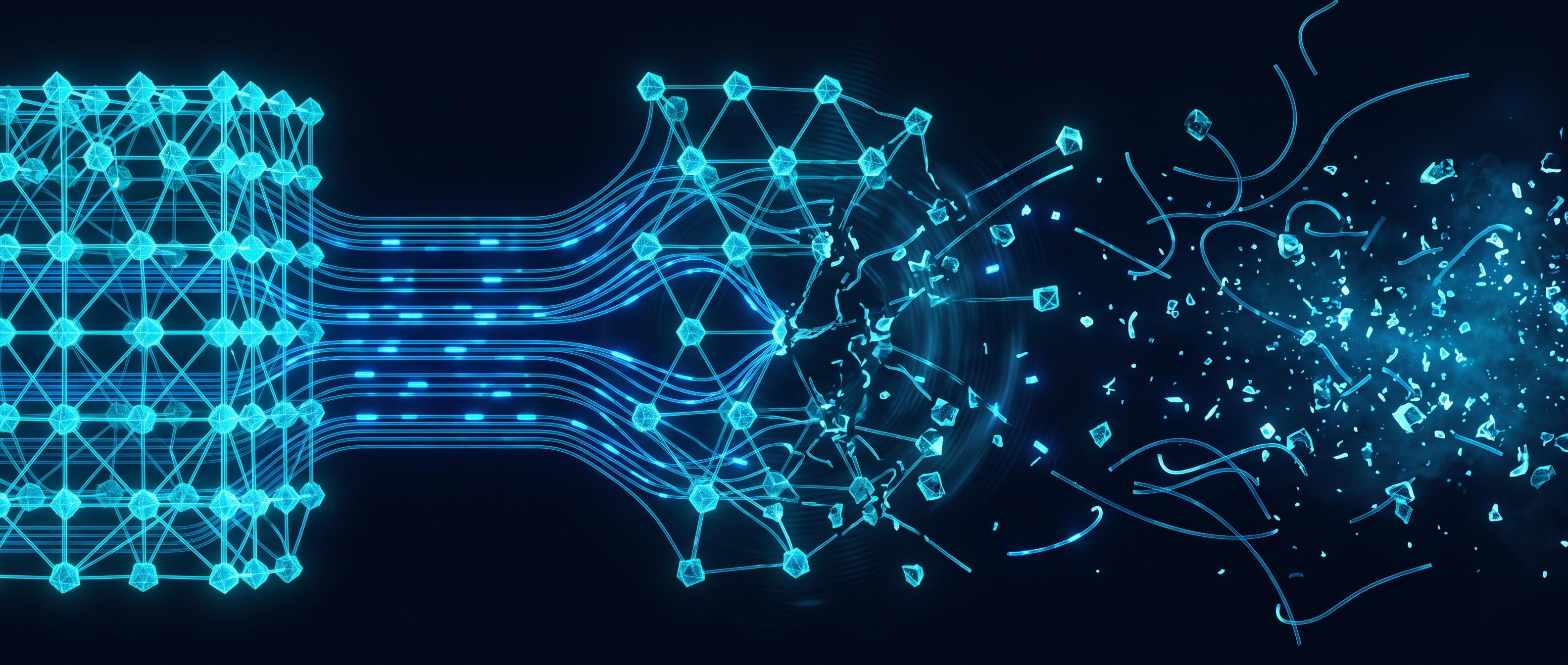
Ordered data lattice fracturing into chaos

Why RAG Pipelines Fail in Production

RAG demos look flawless. Then real users arrive. Production retrieval-augmented generation systems break in six recurring patterns: poor chunking that fragments context across boundaries, retrieval that returns semantically similar but factually wrong passages, evaluation metrics that measure format rather than correctness, stale indexes that lag behind live data, hallucination that survives even when the right document is retrieved, and missing guardrails that let low-confidence answers pass undetected. This post covers each failure mode with concrete causes and detection strategies — so you catch them before your users do.

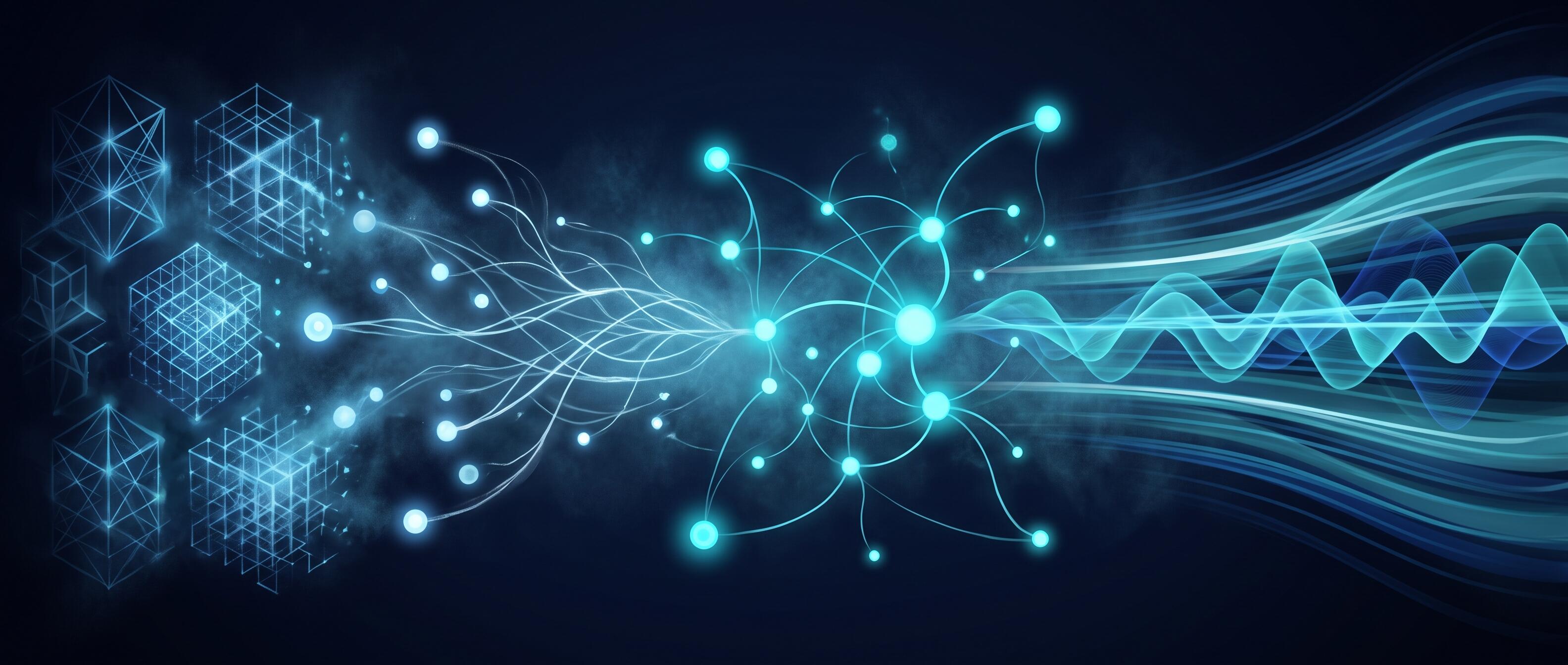
Beyond RAG — enterprise memory architecture

Beyond RAG: Building Enterprise Memory for Reliable AI Agents

The future of enterprise AI is not a bigger language model — it is a better memory architecture. This flagship post introduces the SelfMinds AI SeMAI framework: a four-layer knowledge system combining canonical memory (governed structured data), semantic memory (vector embeddings and concept graphs), relational memory (entity relationship networks), and dynamic memory (live streaming data). It explains how a knowledge router directs each query to the right retrieval layer, why relationship-aware graph retrieval outperforms flat vector search for multi-hop reasoning, and how the architecture makes AI agents trustworthy, auditable, and production-ready at enterprise scale — including a worked healthcare AI example.

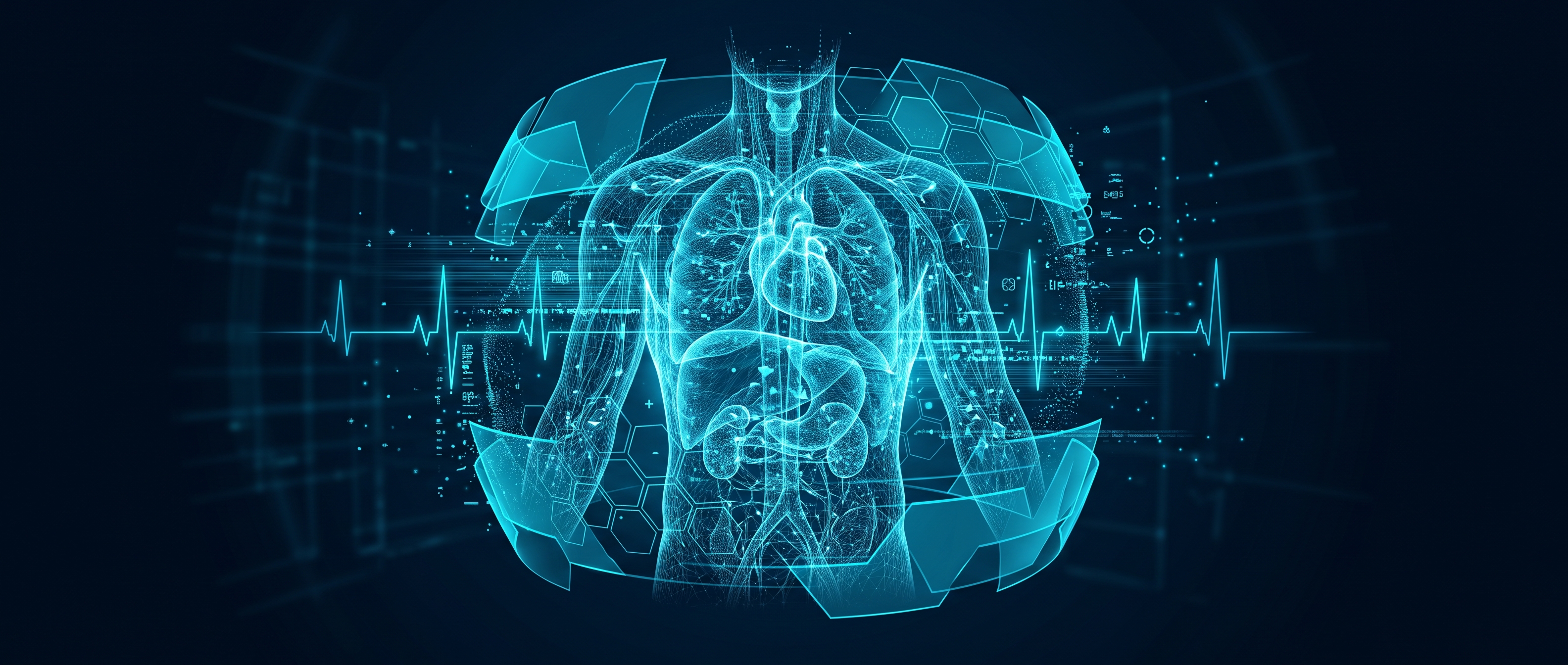
Futuristic medical AI with holographic human body

HIPAA-Ready Healthcare AI: What You Must Know

Building AI systems for healthcare is architecturally different from any other domain. HIPAA's Security Rule imposes specific technical safeguards on any system that touches protected health information (PHI): access controls, audit trails, encryption at rest and in transit, and Business Associate Agreements with every vendor in the data pipeline. This post explains what those requirements actually mean for AI engineers — how PHI flows through LLM prompts and RAG pipelines, where most HIPAA AI implementations fail (BAA coverage gaps, training data leakage, logging that inadvertently captures PHI), and what a genuinely compliant healthcare AI architecture looks like from ingestion through inference.

No posts match your search. Try different keywords or clear the filter.